.jpg)


Introduction
Immersion programs are intensive educational or cultural experiences where participants are placed directly into an environment using a foreign language or specialized subject matter for instruction and daily interaction. They accelerate learning through authentic, hands-on engagement, fostering proficiency, cognitive flexibility and cultural empathy, often featuring full or partial language immersion. In an increasingly interconnected world, the ability to communicate across cultures, speak multiple languages and adapt to unfamiliar environments has become more valuable than ever. This is precisely where immersion programs come in.
An immersion program is an intensive, real-world learning experience that places participants directly into an environment where they must engage with a new language, culture or professional field daily. Unlike traditional classroom education, immersion learning does not allow for passive observation — it demands active participation, making it one of the most effective ways to accelerate skill acquisition.
From language schools in Tokyo and cultural exchanges in Hanoi to professional development bootcamps in Dubai and bilingual education programs in Singapore, immersion programs are reshaping how the global population learns and grows.
What Is an Immersion Program?
An immersion program is a structured educational or experiential framework where learners are "immersed" — fully surrounded — in the target subject or environment. The idea is rooted in the belief that the fastest path to fluency or profound understanding is direct, sustained exposure rather than abstracted, textbook-based instruction.
The concept originated primarily in language learning. In the 1960s, Canadian educators pioneered French immersion for English-speaking children, producing remarkable results. Since then, the immersion model has expanded well beyond language into cultural education, professional development, wellness retreats, tech bootcamps and more.
Types of Immersion Programs

Immersion programs teach a second language by using it as the medium for instruction, communication and learning, with types categorized by intensity and timing. Each type serves a distinct purpose and is suited to different learner goals.
1. Language Immersion Programs
These are the most well-known forms of immersion. Participants live, study and interact entirely in their target language. Schools, host families and social environments all reinforce constant usage.
Global examples:
| ✓ Japan: Programs in Tokyo and Kyoto pair learners with Japanese-speaking host families and enroll them in local schools or language institutes such as the Yamasa Institute and KAI Japanese Language School | ✓ Vietnam: Cities like Hanoi and Ho Chi Minh City offer Vietnamese immersion programs that blend language instruction with cultural activities, cooking classes and community engagement |
| ✓ Europe: France, Germany and Spain are premier destinations for language immersion. Institutions like the Goethe-Institut (Germany) and Institut Français offer intensive programs for adults and students alike |
Language immersion programs range from two-week intensive courses to full academic years. Many offer certificates recognized by universities and employers globally.
2. Cultural Immersion Programs
These programs focus on profound engagement with a specific culture — its traditions, values, social customs, history and art. The goal is not just to understand a culture intellectually but to live it.
Global examples:
| ✓ Dubai: Cultural immersion programs in the UAE introduce participants to Arab hospitality traditions, Islamic history, desert heritage and business etiquette — increasingly important skills for global professionals working in the Middle East | ✓ Singapore: As one of Asia's most multicultural cities, Singapore offers unique programs that expose participants to Chinese, Malay, Tamil and Eurasian traditions — all within a single urban environment |
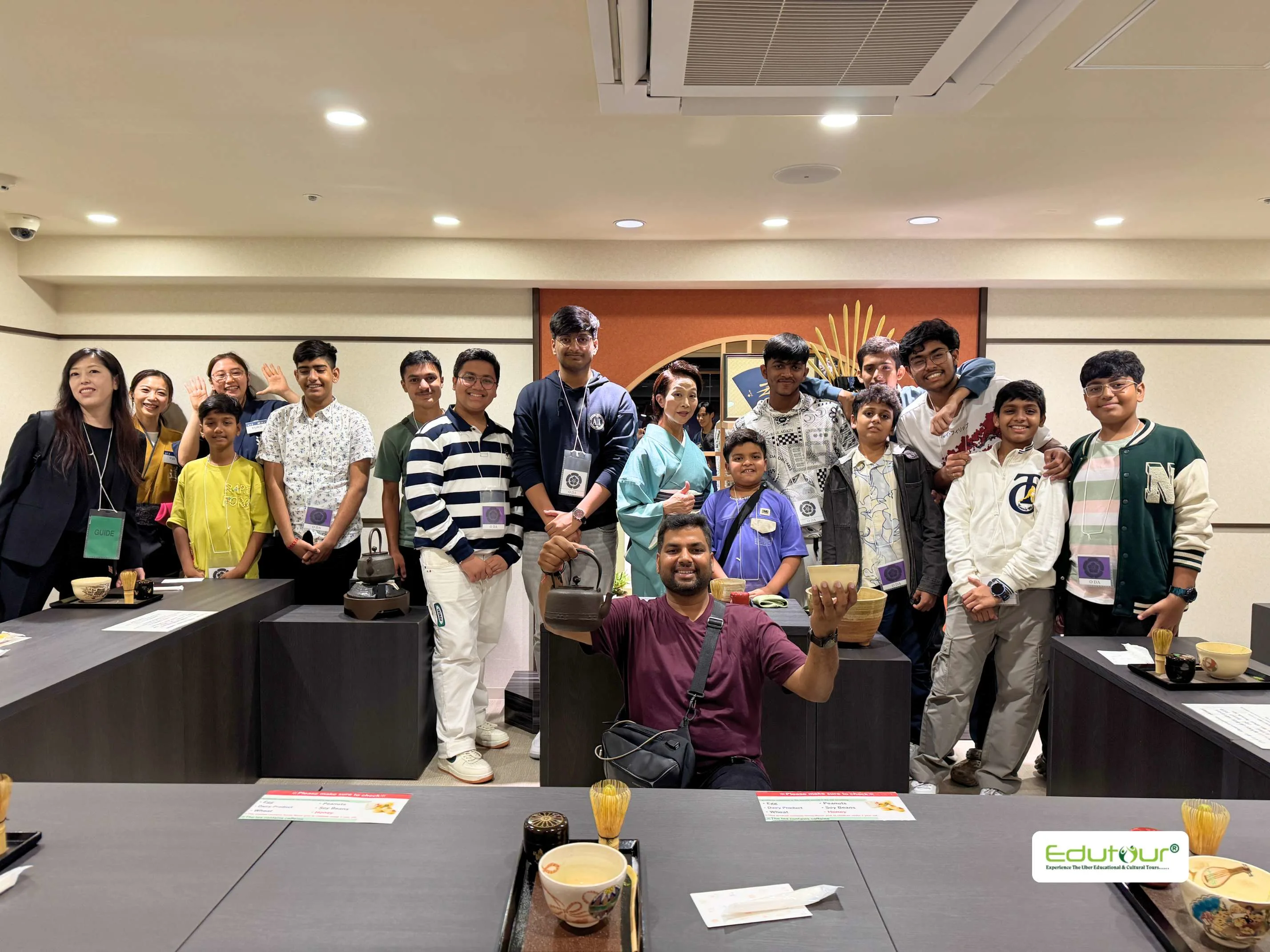
| ✓ Japan: Programs centered on Zen Buddhism, tea ceremony, calligraphy and samurai traditions attract thousands of learners annually. Kyoto is a hub for these deeply cultural experiences |
3. Academic Immersion Programs
These are structured educational programs, often offered by universities or international schools, where instruction is conducted in a foreign language or within a foreign academic system.
Global examples:
| ✓ Europe: Programs under the Erasmus+ initiative allow students to study at European universities in another country's language, earning academic credits while experiencing full educational immersion | ✓ Japan: Universities like Waseda and Keio offer degree programs in English and Japanese, attracting international students seeking full academic immersion in one of the world's most unique educational cultures |
| ✓ Singapore: The country's bilingual education policy produces one of the world's most multilingual workforces by requiring students to learn English alongside their mother tongue |
4. Professional and Corporate Immersion Programs
These programs embed professionals within a foreign workplace or industry environment, building not only language skills but also cross-cultural business competencies.
Global examples:
| ✓ Dubai: The UAE's business ecosystem — home to the Dubai International Financial Centre (DIFC) and thousands of multinationals — has spawned professional immersion programs in finance, hospitality, real estate and entrepreneurship. Many cater to expats and global managers navigating Arab business culture | ✓ Europe: Cities like Amsterdam, Berlin and Zurich offer professional immersion tracks in tech, design and sustainability for international career-changers |
| ✓ Singapore: As Southeast Asia's financial hub, Singapore hosts corporate immersion programs tied to fintech, logistics and trade that draw professionals from across Asia, Europe and the Americas |
5. Tech and Innovation Bootcamps (Immersive Learning)
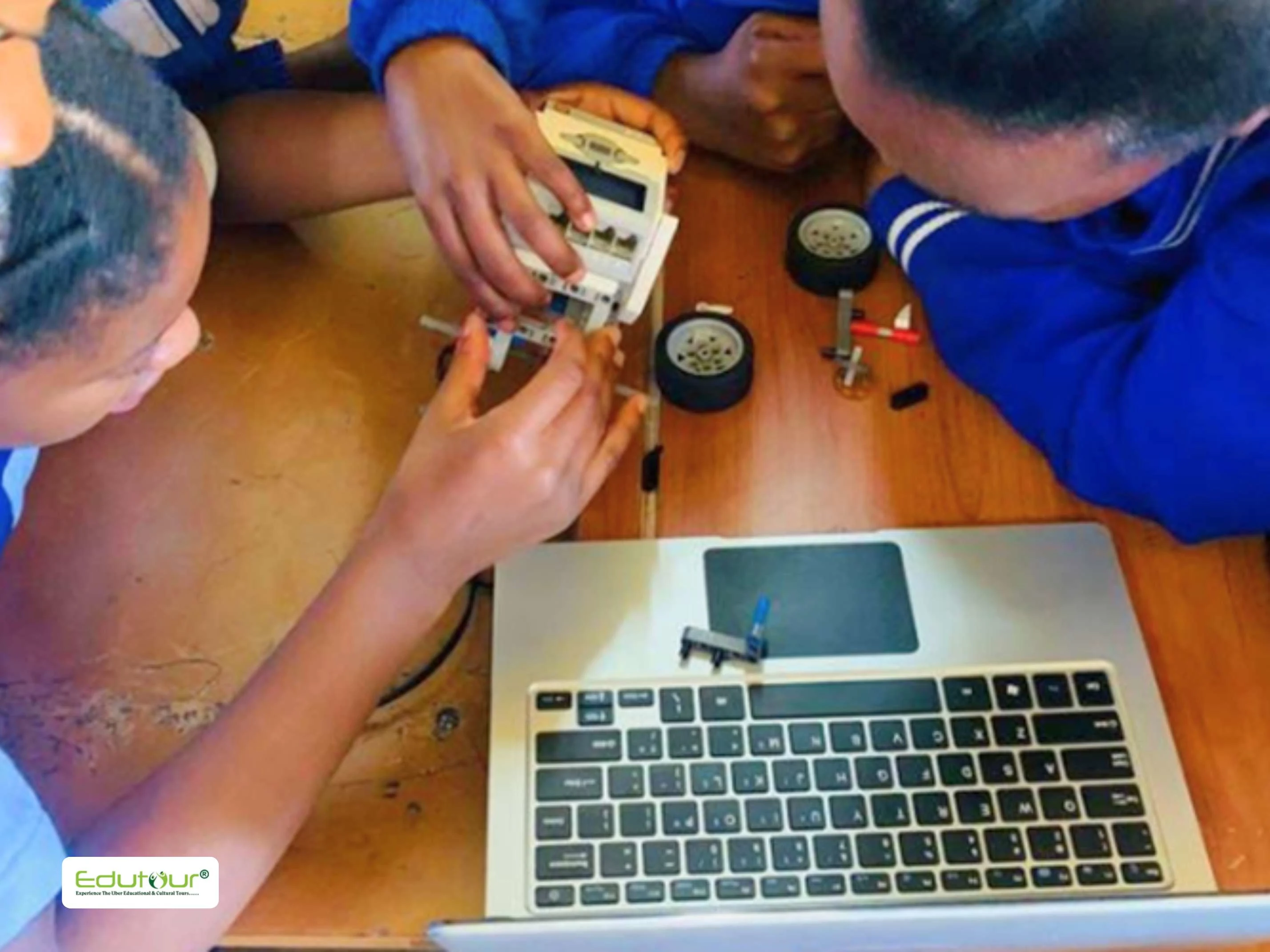
A newer form of immersion, tech bootcamps place participants in intensive, full-time environments where they learn to code, design products or build startups through hands-on project work — often alongside industry mentors.
Global examples:
| ✓ Singapore: Le Wagon, General Assembly and NTUC Learning Hub run immersive coding and data science bootcamps catering to Asia's fast-growing digital economy | ✓ Europe: Berlin and London are home to dozens of tech immersion programs, including Ironhack and Makers Academy, producing job-ready graduates in as little as 12 weeks |
| ✓ Vietnam: Ho Chi Minh City's tech scene has given rise to bootcamps focusing on software development, UI/UX design and digital marketing |
6. Wellness and Mindfulness Immersion Programs
These programs immerse participants in holistic practices — yoga, meditation, Ayurveda or martial arts — often in culturally rich environments.
Global examples:
| ✓ Japan: Forest bathing (Shinrin-yoku) retreats and Zen meditation programs in temples across Kyoto and Nara attract wellness seekers from around the world | ✓ Europe: The Swiss Alps and Tuscany are popular destinations for mindfulness and digital detox immersion programs for high-performing executives |
| ✓ Vietnam: Meditation and yoga immersions in Hội An and Mũi Né combine traditional Eastern practices with modern wellness coaching |
Key Benefits of Immersion Programs
Immersion programs accelerate language fluency, typically achieving conversational proficiency faster than traditional classroom methods. They enhance cognitive abilities, such as executive function and problem-solving, while building deep cultural empathy, intercultural understanding and increased self-confidence in learners.
Accelerated Learning
Research consistently shows that immersion is one of the most effective learning methods available. Immersion continuously reinforces neural pathways by surrounding learners with the subject at all times. A 2023 study published in the Journal of Educational Psychology confirmed that immersion learners achieved functional proficiency in a second language up to 60% faster than traditional classroom learners.
Enhanced Cultural Intelligence (CQ)
Employers and institutions worldwide increasingly prioritize cultural intelligence — the ability to relate and work effectively across cultures. Immersion programs, whether in Dubai's multicultural business environment or Singapore's cosmopolitan streets, build this competency in ways that reading or classroom study simply cannot.
Career Differentiation
In competitive job markets across Europe, Asia and the Middle East, candidates with immersion experience stand out. Companies hiring for international roles in Singapore, Japan and the UAE frequently prefer candidates who have demonstrated the ability to adapt, communicate and thrive in foreign environments.
Personal Growth and Resilience
Being placed outside your comfort zone — navigating a new city, speaking an unfamiliar language, building relationships across cultural boundaries — develops self-confidence, adaptability and problem-solving in profound ways. These are soft skills that transfer across every domain of life and work.
Networking and Global Connections
Immersion programs bring together participants from around the world. The professional and personal relationships formed in these environments often last decades, creating global networks that support careers and collaborations long after the program ends.
Language Fluency
For language-focused programs specifically, immersion is the gold standard. Living and breathing a language every day — in the market, at the dinner table, in the classroom — produces a level of fluency that years of weekend lessons rarely achieve.
Immersion Programs Across Key Global Destinations
Europe
Europe is arguably the world's richest region for immersion programs, thanks to its linguistic diversity, world-class institutions and Erasmus+ infrastructure. Language programs in Paris, cultural programs in Rome, tech bootcamps in Berlin and wellness retreats in Scandinavia cater to virtually every interest. European programs also benefit from strong accreditation standards, making them valuable for academic credit and employer recognition.
Singapore
Singapore's strategic position as a global city-state makes it an exceptional immersion destination. Government-backed programs through SkillsFuture and universities like NUS and NTU support professional and academic immersion across sectors. The city's blend of East and West, combined with its world-leading infrastructure, makes it especially attractive for professionals seeking to deepen their Asia-Pacific expertise.

Japan
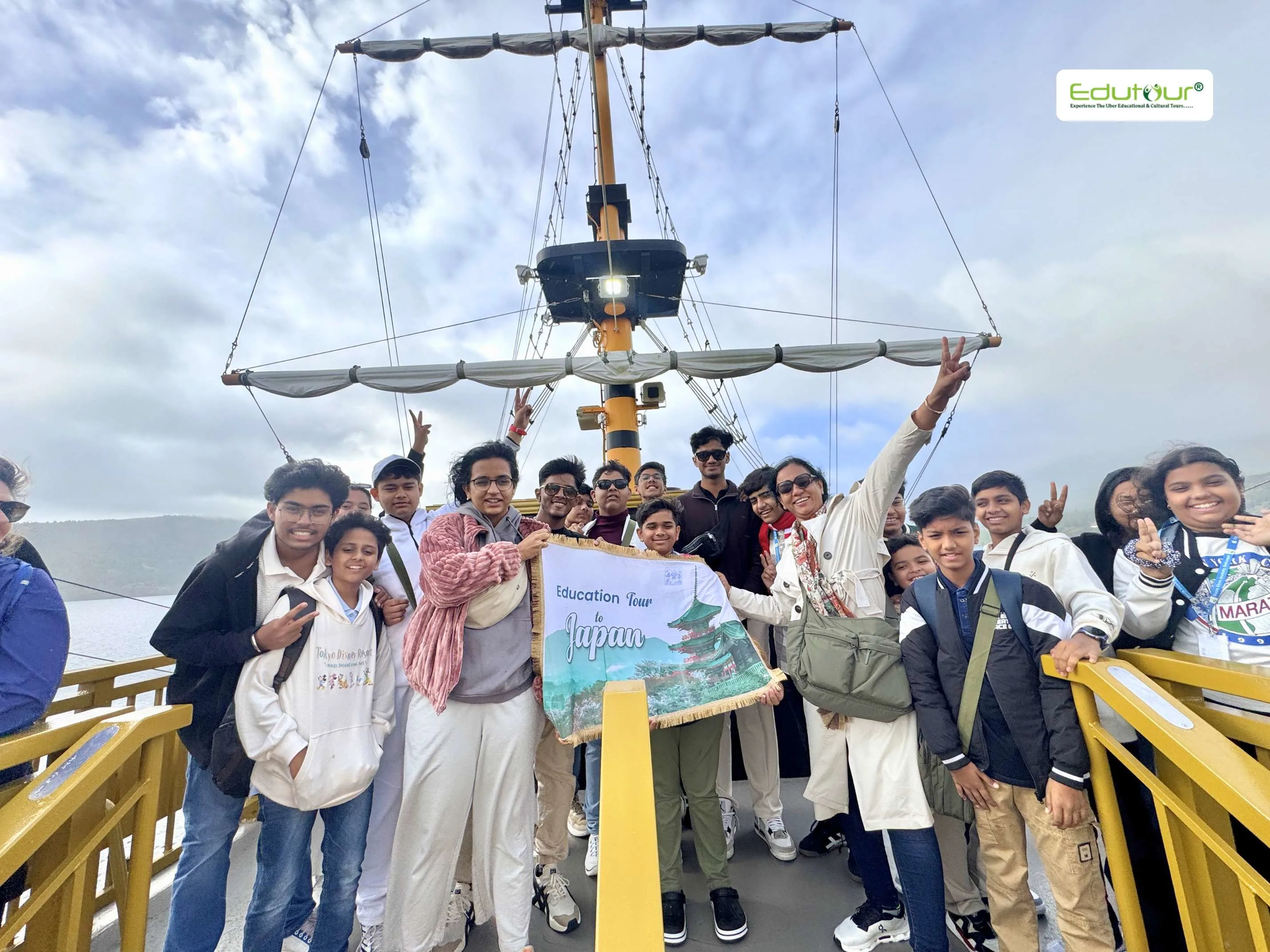
Japan offers some of the world's most distinctive and transformative immersion experiences. Its unique cultural heritage — spanning centuries of tradition in art, cuisine, philosophy and technology — provides an unmatched environment for cultural immersion. Language immersion programs in Japan are rigorous and highly regarded. Many corporate immersion programs also offer insight into Japan's legendary work ethic and innovation culture (monozukuri — the art of making things).
Dubai
Dubai's immersion programs operate at the intersection of global ambition and Arab heritage. Programs here are often designed for professionals and entrepreneurs who want to understand the Gulf's business landscape. With over 200 nationalities living in the UAE, Dubai is also a remarkable environment for cross-cultural immersion in the broadest sense. Corporate programs that focus on Expo legacies, smart city development and Islamic finance are in high demand.
Vietnam
Vietnam is rapidly emerging as a destination for both cultural and professional immersion. Its young, dynamic population, booming tech sector and rich cultural tapestry — from the streets of Hanoi to the ancient town of Hội An — make it one of Southeast Asia's most compelling immersion destinations. Affordable program fees relative to global alternatives make Vietnam especially attractive for younger learners and career-changers.
How to Choose the Right Immersion Program
Choosing the right immersion program involves defining clear goals (language, cultural or professional), evaluating your budget and time and matching the program structure to your learning style:
1. Define Your Goal
Are you learning a language, building cultural intelligence, accelerating your career or seeking personal transformation? Your primary goal should drive every other decision.
2. Consider Program Duration
Immersion programs range from one week to one full year. Longer programs naturally produce deeper results, but even two-week intensive programs can be highly impactful when structured well.
3. Evaluate Accreditation and Recognition
For academic or professional programs, verify that the institution is accredited and that certifications are recognized by employers or universities in your home country or target market.
4. Assess the Immersion Environment
True immersion means more than classroom instruction. Look for programs that integrate daily life experiences — homestays, community participation, workplace placements or cultural activities — alongside formal instruction.
5. Review Alumni Outcomes
The best indicator of a program's quality is what happens to participants afterward. Look for testimonials, LinkedIn profiles of alumni and published outcome data.
6. Match to Your Budget
Costs vary enormously by destination. Europe and Japan tend to be pricier than Vietnam or certain programs in Dubai. Factor in housing, visa fees, travel and living expenses alongside tuition.
7. Language Support
If you're starting from zero, ensure the program offers adequate orientation support in your native language before the immersion fully begins.
8. Safety and Infrastructure
| ✓ Singapore, Japan and most of Europe score exceptionally high on safety indices | ✓ Dubai is also highly safe for international visitors |
| ✓ Vietnam, while generally safe, requires more careful city-by-city assessment | ✓ This issue matters particularly for solo learners or families |
Final Thoughts
Immersion programs represent one of the most powerful investments a person can make in themselves — whether the goal is language fluency, cultural competence, career acceleration or personal growth. Across Europe, Singapore, Japan, Dubai and Vietnam, a rich diversity of programs exists to meet learners where they are and take them where they want to go.
The world's most successful communicators, innovators and leaders share one thing in common: they have experienced life from the inside of another culture, language or environment. Immersion programs are the structured, supported pathway to that experience.
FAQ's
Q1. What is an immersion program?
An immersion program is an intensive educational experience that places participants directly into an environment where they engage with a new language, culture or professional field daily. Rather than passive classroom learning, immersion requires active, real-world participation - making it one of the most effective methods for rapid skill development.
Q2. Are immersion programs worth it?
Yes-research consistently shows that immersion learners achieve proficiency up to 60% faster than traditional classroom students. Beyond skill gains, participants develop cultural intelligence, global professional networks and personal resilience. Employers hiring for international roles in regions like Singapore, Japan and the UAE actively prefer candidates with immersion program experience on their CVs.
Q3. Which country is best for an immersion program?
The best country depends on your goals. Europe (France, Germany and Spain) is ideal for language and academic immersion with strong accreditation. Japan excels in cultural and language immersion with an unmatched depth of tradition. Singapore is the top choice for professional and tech immersion in Asia. Dubai suits professionals seeking cross-cultural business immersion in the Middle East. Vietnam is best for affordable cultural and tech immersion with a fast-growing digital ecosystem.
Q4. Do immersion programs give certificates or qualifications?
Many do. Academic immersion programs through recognized universities (including Erasmus+ in Europe, NUS in Singapore or Waseda in Japan) award transferable credits and degrees. Language programs often issue internationally recognized certificates such as DELF (French), JLPT (Japanese) or Goethe-Zertifikat (German). Tech bootcamps like Le Wagon and General Assembly issue industry-recognized completion certificates.
Q5. Can adults join immersion programs or are they only for students?
Immersion programs are available for all ages. Many academic programs primarily target students aged 18–30, but a significant and expanding portion of programs specifically caters to working adults and professionals. Corporate immersion tracks in Dubai and Singapore, executive wellness retreats in Japan and adult language schools across Europe all cater to professionals looking to grow without pausing their careers entirely.
